
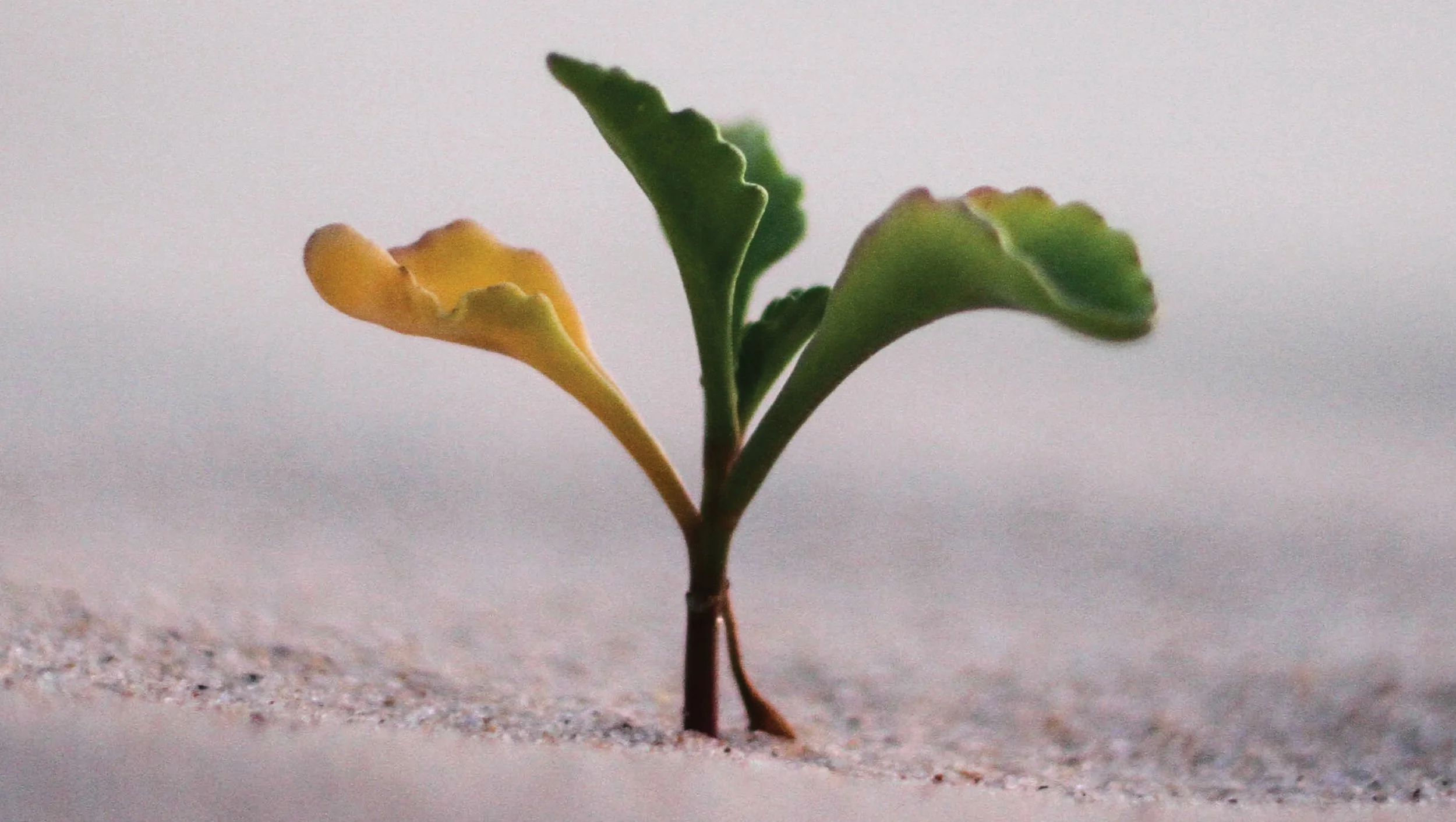
Our three days in St. John’s, Newfoundland from August 12-14 was extraordinary, and I am still processing much of what took place. There are times when you return home knowing that something significant happened, but you do not yet have all the words to explain what you experienced or what the Lord may have been doing. As I arrived home in Calgary, I began writing down some of the thoughts that were stirring in my heart, and while they are still forming, I wanted to share them with you. My hope is that as you read, hope will rise in your heart for what God can do when we are willing to humble ourselves before Him and before one another.
At the heart of our time together was a desire for reconciliation between Quebec and Newfoundland. There is a long and complicated history between these two provinces, particularly surrounding decisions and agreements dating back to 1969 that have left wounds, frustrations and bitterness on both sides. We did not come together believing that we could resolve decades of political disagreement in a few days. Rather, we gathered believing that as followers of Jesus, we can take responsibility for the condition of our own hearts and ask the Lord to show us where repentance, forgiveness and reconciliation are needed.
On Thursday morning, our group travelled to Cape Spear, the historic lighthouse and landmark overlooking the Atlantic Ocean just outside St. John’s. It was intended to be an opportunity for those who had travelled from Quebec and those from Newfoundland to spend time together, build relationship and simply get to know one another. As we gathered there, people began sharing words, pictures and impressions of what they sensed the Lord might be speaking.
During that time, one person shared a picture they had received of someone lying flat on the boardwalk overlooking the Atlantic Ocean and kissing the ground. Within moments, those who were physically able began lying prostrate on the boardwalk, and together we kissed the ground seven times as an act of contrition and humility before the Lord.
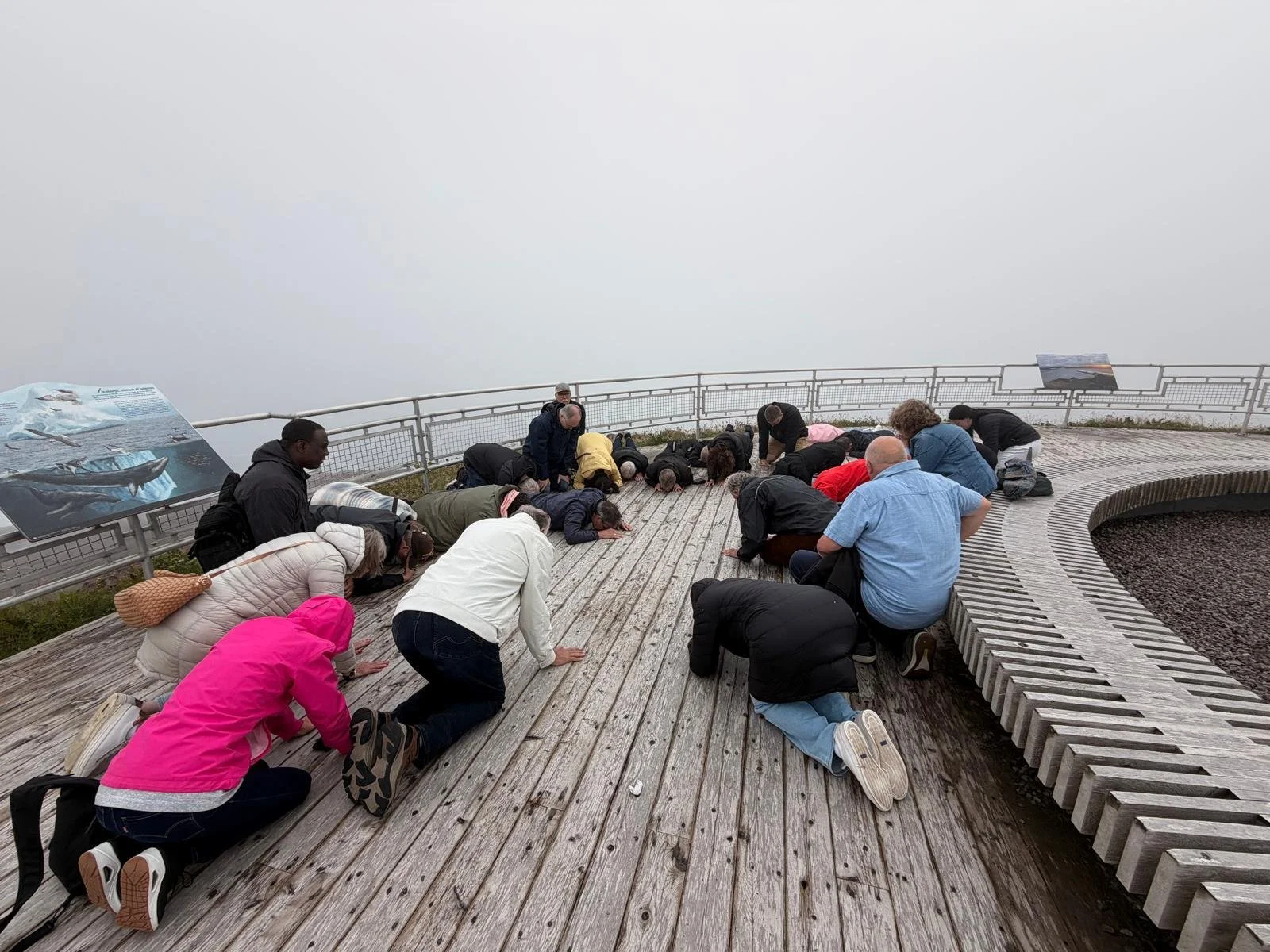
What followed was deeply moving.
Those who had travelled from Quebec began kneeling in front of Newfoundlanders and repenting for the ways Newfoundland had been mistreated through the actions of their provincial government since 1969. They were not personally responsible for the decisions that had been made generations before, but they were willing to identify with the pain those decisions had caused and approach their brothers and sisters with humility.
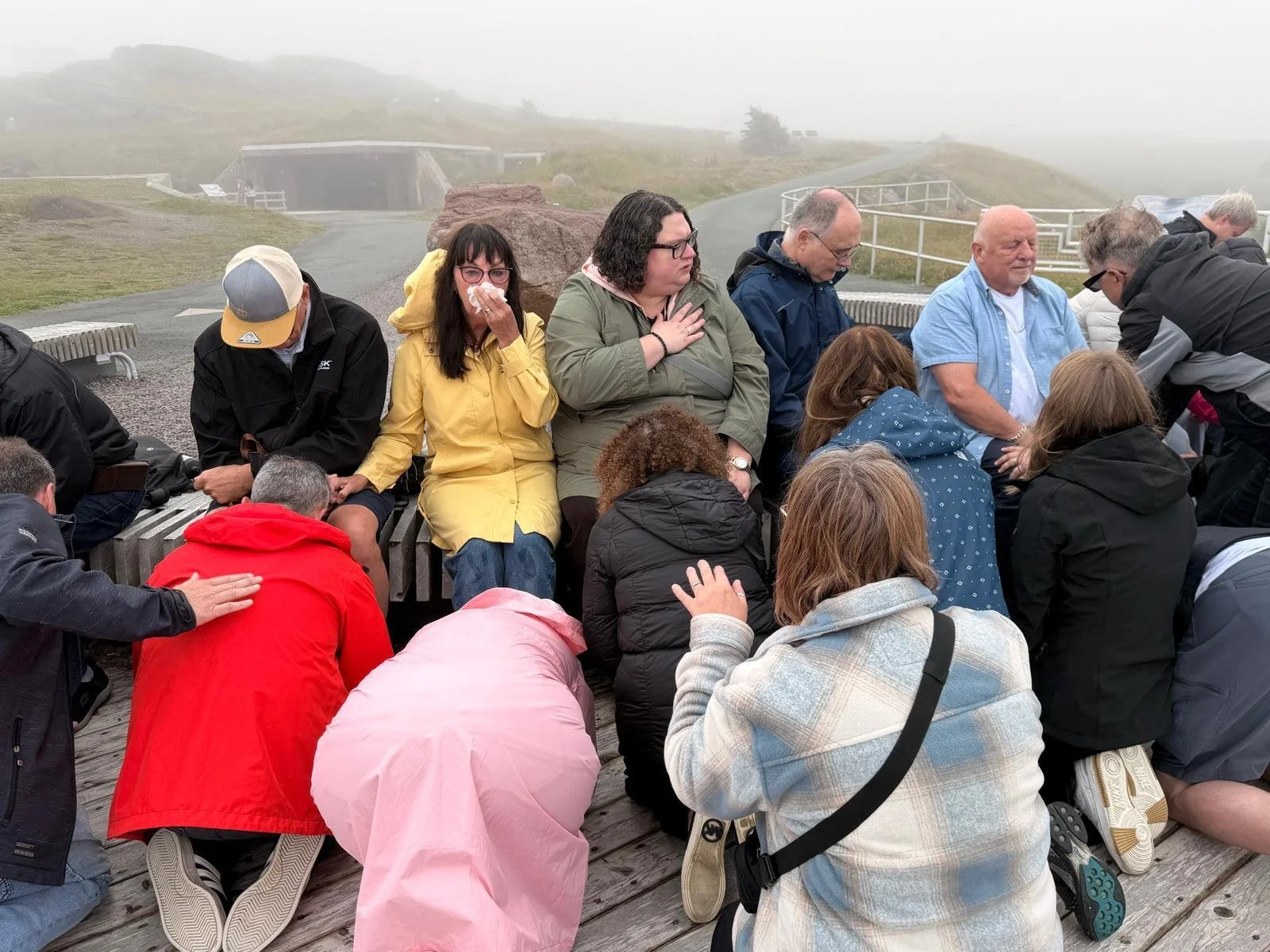
In response, the Newfoundlanders began acknowledging the bitterness that had developed in their own hearts over the years. Rather than simply receiving an apology and pointing toward the wrongs of the past, they allowed the Lord to search their own hearts as well. There was a recognition among us that reconciliation requires something from all of us. There are wrongs that need to be acknowledged, but there are also places where hurt can become bitterness if we allow it to remain untouched by the grace of God.
As I watched this unfold, I was reminded of Paul’s words in 2 Corinthians 5:18, where he tells us that “God reconciled us to himself through Christ and gave us the ministry of reconciliation.” Reconciliation is at the very heart of the Gospel. Through Jesus, we have been reconciled to the Father, and because we have received that reconciliation, we are called to carry it into our relationships, communities and even into the historical wounds that have shaped our nation.
There was another part of Thursday that has stayed with me. We were at Cape Spear from approximately 11:00 am until 12:30 pm. Around that same time, Quebec and Newfoundland and Labrador announced that they were moving toward a significant agreement, with a fuller announcement expected shortly afterward. That announcement happened just days later on Monday, August 17.
I share this because I have learned over the years that there are moments when we should pay attention to timing. Sometimes the Lord allows us to see something taking place in the natural while He is dealing with something in the hearts of people, and those moments should at least cause us to stop, pray and ask what He might be saying.
Perhaps what impacted me most was the reminder that wounds do not have to remain wounds forever. Canada carries historical and regional wounds. Our provinces carry them, our churches carry them, our communities carry them, and many of our families carry them as well. Over time, we can become so accustomed to those hurts that bitterness begins to feel justified. We remember what happened to us, but sometimes we forget to ask the Lord what has happened within us because of it.
Biblical reconciliation does not require us to erase history or pretend that injustice never happened. Forgiveness does not mean calling something right that was wrong. Instead, reconciliation gives us the courage to face what happened while refusing to allow the wounds of yesterday to determine the relationships of tomorrow. It requires humility to acknowledge where we have caused pain, and it also requires humility to surrender the bitterness that can develop when pain has been carried for a long time.
This is where I believe the Church has an incredible opportunity in Canada. What might happen if followers of Jesus became known as people who were willing to listen before defending ourselves, repent when repentance is needed, forgive when forgiveness is difficult, and pursue relationship across the divisions that have grown between us?What could happen in our communities and across our nation if we took seriously the ministry of reconciliation that Jesus has entrusted to us?
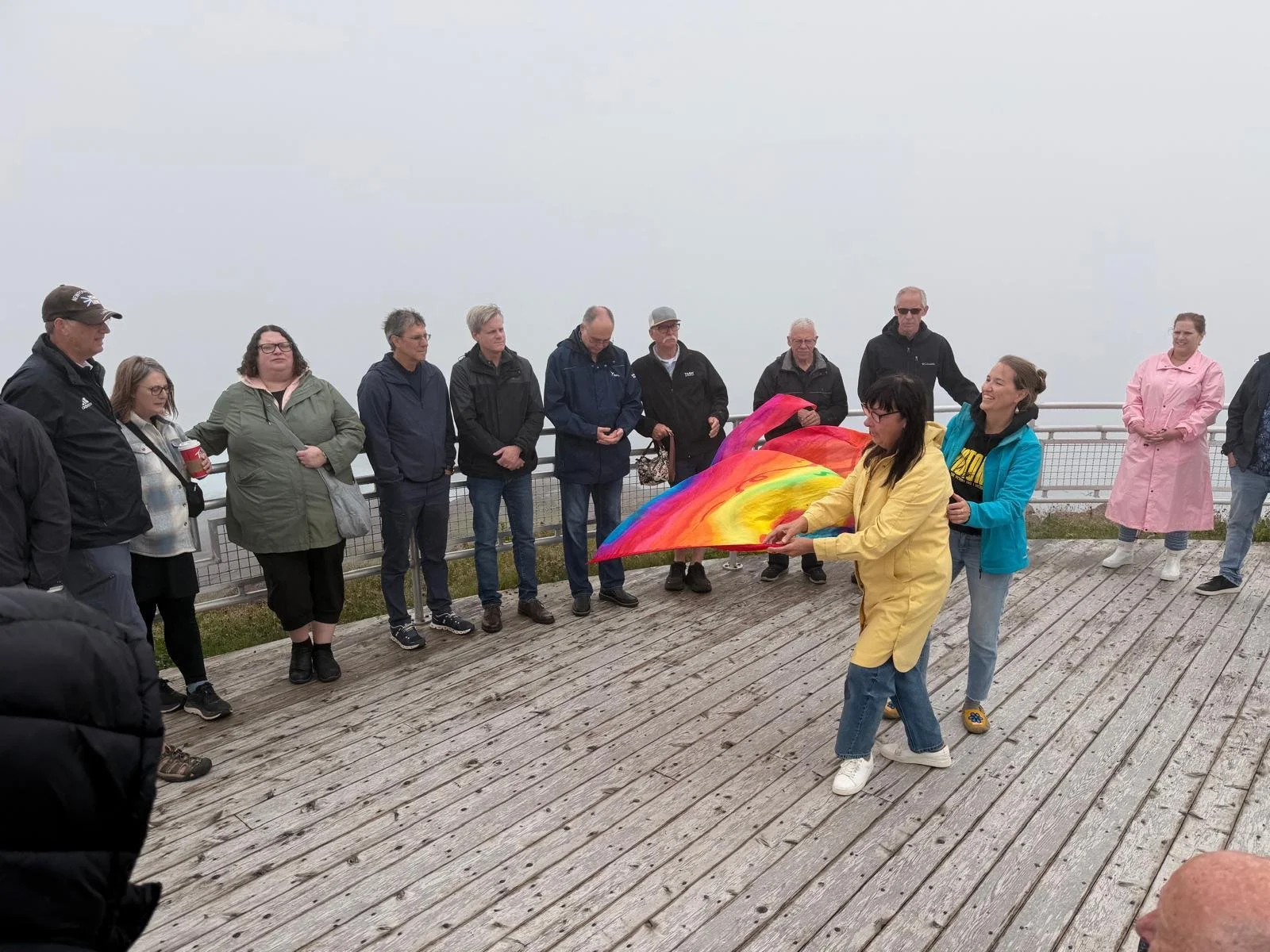
My prayer is that what we experienced in Newfoundland would not remain simply a meaningful moment for those who were there. May the Lord continue to bring healing between regions and people across Canada, and may He begin that work within each of us. May we have the courage to ask Him where repentance is needed, where forgiveness has been withheld and where He may be inviting us to take the first step toward someone else.
There is much more that I am still processing from these days in Newfoundland, and I am sure I will share more in the days ahead. For now, I am returning again to the simple truth that reconciliation begins in the heart. When we humble ourselves before God and one another, we make room for Him to do what we could never accomplish through our own strength.
May we continue to pray for Newfoundland, and Labrador,Quebec and every region of this nation, believing that God is not finished with Canada.
Love & Blessings,
Michael Pierce
Christ For Your City